

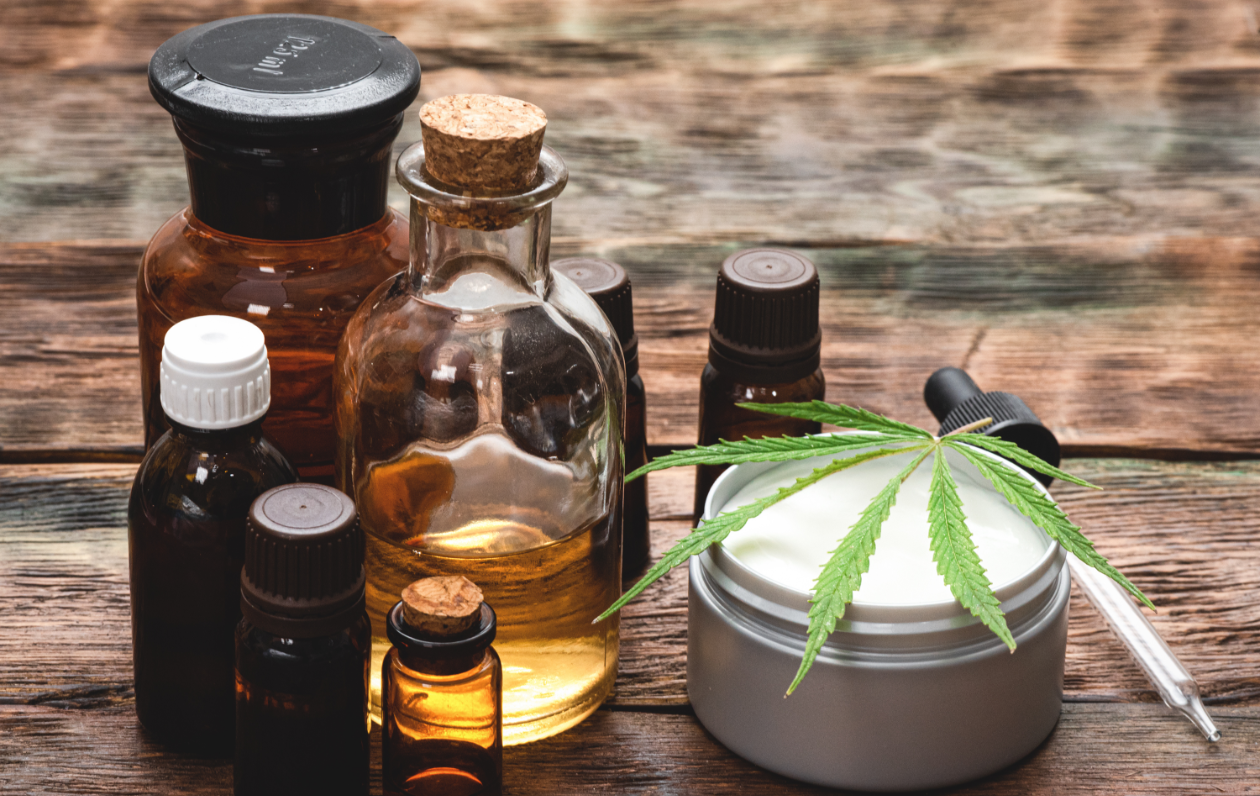
CBD products come in several formulations, but two of the most commonly discussed types are full-spectrum CBD and broad-spectrum CBD. Understanding the differences between these options can help consumers choose products that match their preferences and wellness goals.
Both forms are derived from hemp plants and contain cannabidiol (CBD) as the primary active compound. However, they differ in the range of additional cannabinoids and plant compounds they contain.
Learning how these formulations work and how they compare is essential when selecting the right CBD product.
What Is Full-Spectrum CBD?
Full-spectrum CBD refers to hemp extract that includes all naturally occurring compounds found in the plant. Instead of isolating CBD alone, the extraction process preserves a wide range of cannabinoids and plant nutrients.
Full-spectrum CBD typically contains:
- CBD (cannabidiol)
- Trace amounts of THC within legal limits
- Minor cannabinoids such as CBG and CBN
- Terpenes, which are aromatic plant compounds
- Flavonoids and other plant nutrients
The small amount of THC present in hemp-derived full-spectrum products is usually below 0.3%, which is not enough to produce intoxicating effects when used as directed.
The Entourage Effect
A key concept associated with full-spectrum CBD is the entourage effect. This theory suggests that cannabinoids and terpenes may work together synergistically, potentially enhancing the overall effectiveness of the product.
Because full-spectrum extracts contain the entire range of hemp compounds, many people believe they provide a more complete representation of the plant’s natural profile.
What Is Broad-Spectrum CBD?
Broad-spectrum CBD also contains multiple compounds from the hemp plant, but with one important difference: THC is typically removed during processing.
Broad-spectrum CBD products often include:
- CBD (cannabidiol)
- Minor cannabinoids
- Terpenes
- Flavonoids
However, they are formulated to contain zero or undetectable levels of THC.
This makes broad-spectrum CBD an appealing option for individuals who want to benefit from multiple hemp compounds while avoiding THC entirely.
Key Differences Between Full-Spectrum and Broad-Spectrum CBD
While both products contain CBD and additional plant compounds, the main difference lies in their THC content and formulation.
Full-Spectrum CBD
- Contains CBD along with other cannabinoids
- Includes trace amounts of THC
- Preserves the complete hemp plant profile
- Often associated with the entourage effect
Broad-Spectrum CBD
- Contains CBD and other cannabinoids
- THC is removed during processing
- Maintains several plant compounds except THC
- Suitable for those wanting THC-free products
Understanding these differences can help consumers select the option that aligns with their preferences and comfort level.
Common Product Types for Both CBD Spectrums
Both full-spectrum and broad-spectrum CBD are available in a variety of product forms.
CBD Oils and Tinctures
CBD oils and tinctures are among the most widely used CBD products.
They typically consist of hemp extract blended with carrier oils such as MCT oil or hemp seed oil.
Benefits of tinctures include:
- Flexible dosing
- Faster absorption under the tongue
- Easy addition to daily routines
Both full-spectrum and broad-spectrum extracts are commonly available in tincture form.
CBD Gummies and Edibles
CBD gummies are popular because they combine cannabidiol with sweet flavors.
Advantages include:
- Pre-measured servings
- Convenient and discreet use
- Long-lasting effects compared to tinctures
Both spectrum types can be used in edible formulations.
CBD Capsules
Capsules and softgels provide a simple supplement format.
They offer:
- Precise dosing
- Easy daily supplementation
- No noticeable hemp taste
These products are commonly available with both full-spectrum and broad-spectrum CBD extracts.
Which Type of CBD Is Right for You?
Choosing between full-spectrum and broad-spectrum CBD depends on personal preferences and individual needs.
Consider the following factors:
THC sensitivity
- Broad-spectrum CBD may be preferred by individuals who wish to avoid THC entirely.
Interest in the entourage effect
- Some people prefer full-spectrum products because they contain the entire hemp compound profile.
Drug testing concerns
- Individuals subject to drug testing often choose broad-spectrum CBD to minimize THC exposure.
Personal response
- Some users experiment with both options to determine which formulation works best for them.
Safety and Quality Considerations
Regardless of the CBD type chosen, product quality is extremely important.
When purchasing CBD products, look for:
- Third-party laboratory testing
- Clear labeling of cannabinoid content
- Transparent ingredient lists
- Hemp sourced from reputable farms
Reliable brands provide Certificates of Analysis (COAs) that confirm product purity and potency.
These reports help consumers verify that the product meets safety and quality standards.
Frequently Asked Questions (FAQs)
1. Does full-spectrum CBD cause intoxication?
Full-spectrum CBD contains only trace levels of THC, which typically do not produce intoxicating effects when used according to recommended guidelines.
2. Is broad-spectrum CBD completely THC-free?
Most broad-spectrum products are formulated to contain zero or undetectable THC, though verifying lab reports is important.
3. Is CBD isolate different from these two types?
Yes. CBD isolate contains pure cannabidiol without additional cannabinoids or plant compounds.
4. Can both spectrum types be used for the same wellness goals?
Yes. Both full-spectrum and broad-spectrum CBD are used for similar purposes, including relaxation and general wellness.
5. Do full-spectrum products taste different?
Because full-spectrum extracts retain more plant compounds, they may have a stronger natural hemp flavor compared to some broad-spectrum products.
6. How can I verify whether a product is full-spectrum or broad-spectrum?
Product labels and third-party lab reports typically indicate the cannabinoid profile and spectrum type.
7. Is one spectrum stronger than the other?
Strength usually depends on CBD concentration, not necessarily whether the product is full-spectrum or broad-spectrum.
Choosing between full-spectrum and broad-spectrum CBD ultimately depends on individual preferences and wellness goals. Understanding the differences between these formulations can help consumers make informed decisions when selecting CBD products that best suit their needs.